The deeper issue with the state of luxury.
Luxury killed itself by distancing its core customers in the pursuit of new wealth, record profits and celebrity kudos. Let's unpick what went wrong, and why.

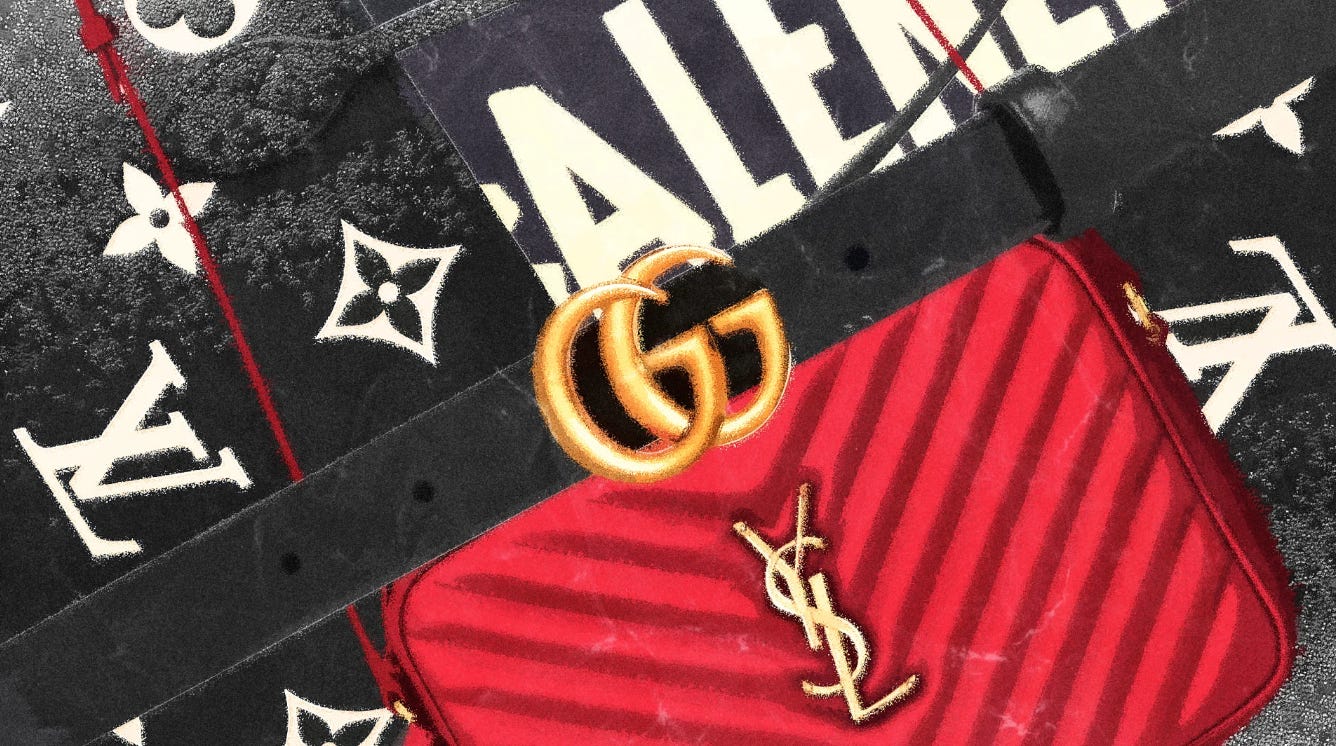
You can barely go a day without reading the death knells of luxury. LVMH reported its first drop in sales since 2020, and even the darling of the fashion world, Jacquemus, is reportedly facing a sales decline of 20% year on year and is subsequently looking for a minority investment.
But it’s not just luxury that’s down - elsewhere, stalwarts of the game Nike have taken a precipitous tumble, Supreme was sold off for half a billion less than it was acquired for just a few years earlier, and Boohoo is considering a breakup after its share price fell 89% from its peak. At all ends of the scale, brands are floundering.
Aside from fashion, homeware and beauty are also struggling - there’s an almost daily revolving door of staff and revenue projections going down the pan. And yet, some brands are defying the trend.
We can learn as much from Kamala Harris’s unsuccessful presidential campaign as we can from earnings reports. If you cater to too many, you’ll end up catering to too few. If you focus on the wrong things, you will forget that you serve only one thing—your customer.
Perhaps expectedly, craftmanship and mass commerce do not make easy bedfellows.
Luxury doesn’t necessarily mean quality.
Luxury was never about a price tag but craftsmanship - the price was a premium because you were paying for art. The oldest fashion houses are built from ateliers, some still employing the families they employed generations ago. But you can’t scale an atelier - you outsource the production for growth.
Fashion works well at creating noisy moments from the runway that trickle down into more commercial volumes. It was never about the atelier but scaling something that could lean on this heritage with a focus on craftsmanship, albeit much smaller.
Ask anyone on the street what their feelings about Dior were three years ago, and they could probably pick the CD design out of a handful of others. The trade press was fixated on Kim Jones’s evolution of the brand and the huge commercial volumes it was driving. Dior quickly became the darling of LVMH.
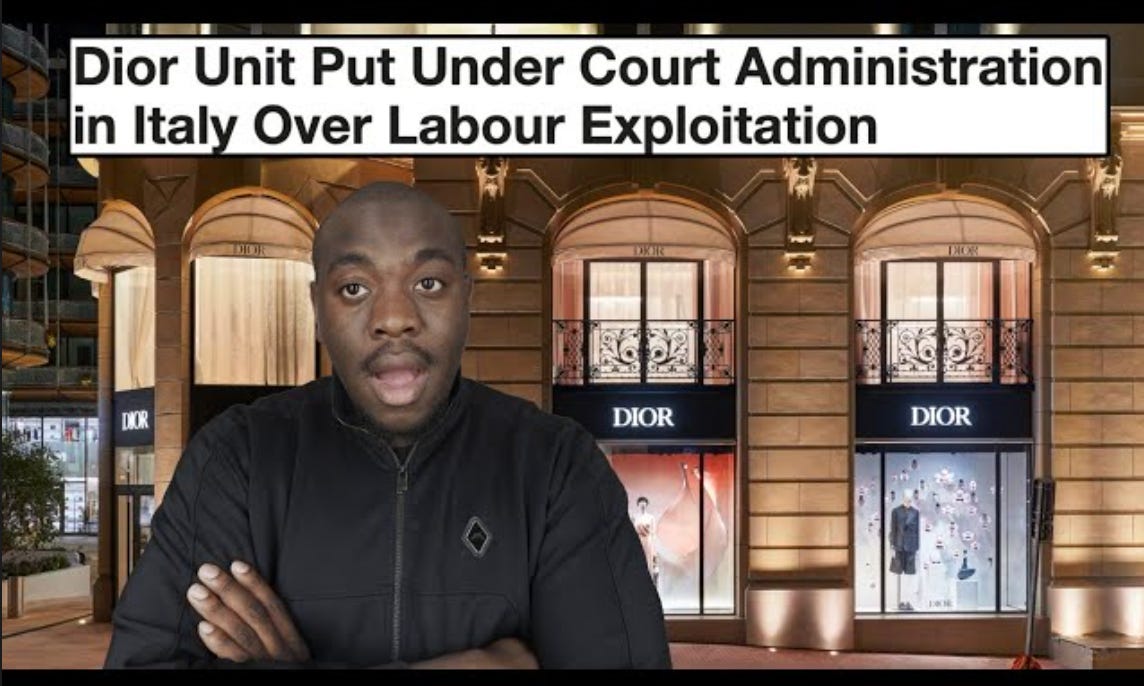
It was a precarious luxury bubble. Earlier this year, Italy’s competition watchdog placed Dior under investigation for unfair commercial practices, alleging that they used suppliers who underpaid and overworked their staff. Dior was still manufacturing in Italy but was using Chinese companies who flew their staff over to manufacture the products. It was made in China in all but name.
An investigation discovered that Dior bags were made for €53 a piece and retailed for €2,600. The bags cost no more to manufacture than a Coach bag, yet they retailed for ten times the price.
The bubble had burst, again.
Emergent brands have created the new luxury.
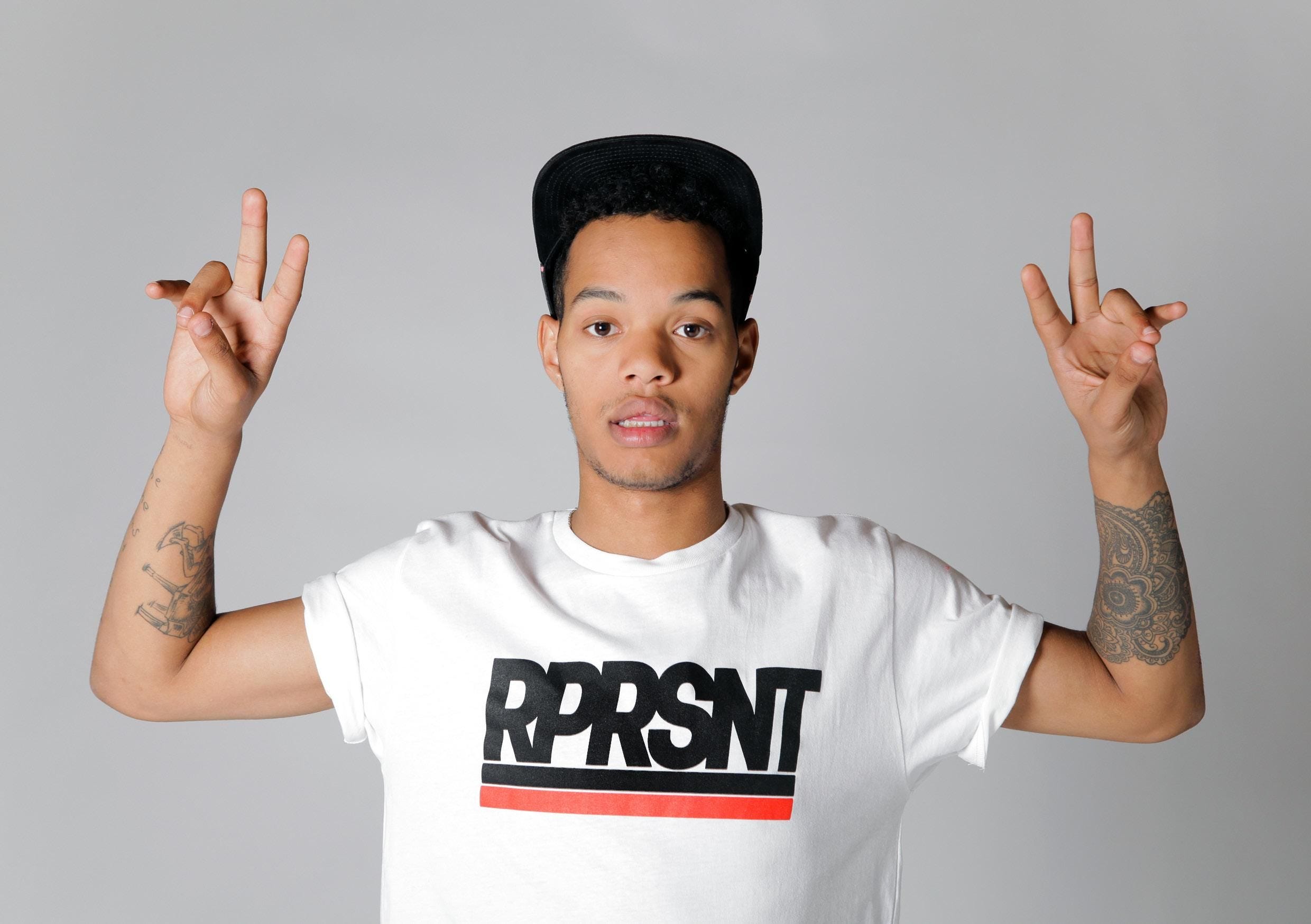
When Represent Clothing was first launched 13 years ago, it would never have been considered a luxury brand. Yet fast-forward to today, and to many men, Represent is luxury.
Many would argue against this, but I argue that these new brands are what the new luxury is. In some cases, they are made in the same factories or similar to the big luxury houses. Why pay £700 for a Balenciaga t-shirt when you can pay £100 for a Represent one? They’re essentially the same t-shirt made of 100% cotton and heavily branded.
There’s now a pocket of brands, many of them started from bedrooms and sold initially through social media, that have emerged as the pack leaders for what I consider to be the new luxury - quality garments manufactured with heavyweight materials but sold at a fraction of the price because they were born without heavy marketing budgets.
There will always be a space for couture and craftmanship, but commercial ready-to-wear offerings that cost ten times as much as a similar product have no place in our over-consumed world.
Climate Change has been jumped on as an excuse to increase prices.
Climate change is our generation’s most pressing issue. And yet, it has become a commercial vehicle to many brands. In the wake of the pandemic, many brands launched into sustainability, establishing new labels within existing businesses, charging a premium and commanding press headlines.
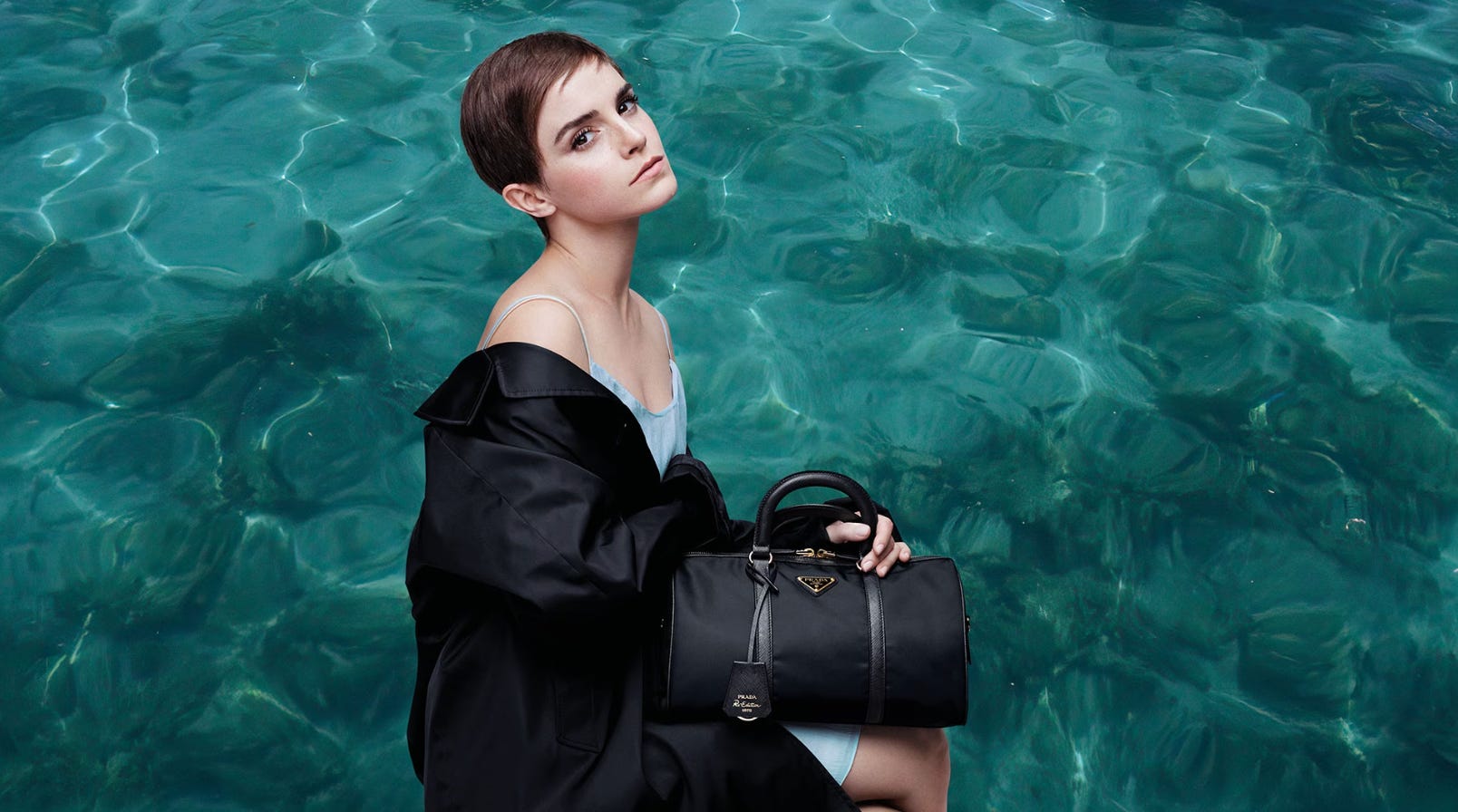
Much noise was made of Prada Re-Nylon and the new wave of sustainable biomaterials like Renewcell, yet weak commercial demand proved to be their Achilles heel. And yet, larger companies and the press at large spent heavily on these—the catch? They spent heavily on marketing them instead of spending heavily on innovation. There was nothing terribly groundbreaking about reusing nylon and charging a premium. The biomaterials market created interesting moments, but some of the louder launches were plastic in all but name.
There’s also the harsh reality that these garments were still made in the same factories where brands like ASOS make their clothes - they just put a green spin on it.
The end result was a disenfranchised consumer - they wanted to be sustainable but couldn’t afford to be. There was an element of guilt now attached to their regular consumption. It was off-putting.
The press has got it all wrong.
The death of print has had a wide-ranging impact on our culture at large. Ad spend was always based on circulation—write quality pieces, and people would buy your newspaper or magazine. The advent of the Internet and social media changed this; write clickbait headlines, and you’ll get more eyeballs to a specific page, thus generating more ad revenue, which now works in a much more granular fashion.
Few independent voices were left that weren’t gobbled up by the likes of the Murdochs, Amazon, or LVMH. What was left began fawning more over the industry’s movements rather than collections as a whole. They became trend-based, gossip-laden, and focused on headlines rather than journalism.
But those headlines brought an air of validity to an industry fuelled by ego. Collaborations, ambitious goals and personal branding became the master strokes of an industry press rather than the tale of smaller, more interesting and disruptive brands.
When consumers turned off these luxury brands, the press didn’t stop writing about them. They continued writing about them with ever greater fervour.
Suppose you’ve now changed your buying habits because you were priced out of luxury and woke up to the fact that you can buy similar quality from smaller brands for much, much less. Do you care about the revolving doors of creative directors the press is salivating over? No. It’s become a circus - a very expensive one at that.
That circus is inherently offputting, and that’s one problem with focusing so much on the self with these brands rather than the company. A creative director can take vast swathes of business with them when they leave, leading to ever-more volatile earnings reports.
The long and short of it is that, once again, the people reading these stories are not the ones buying the clothes the story is about.
The China Problem.
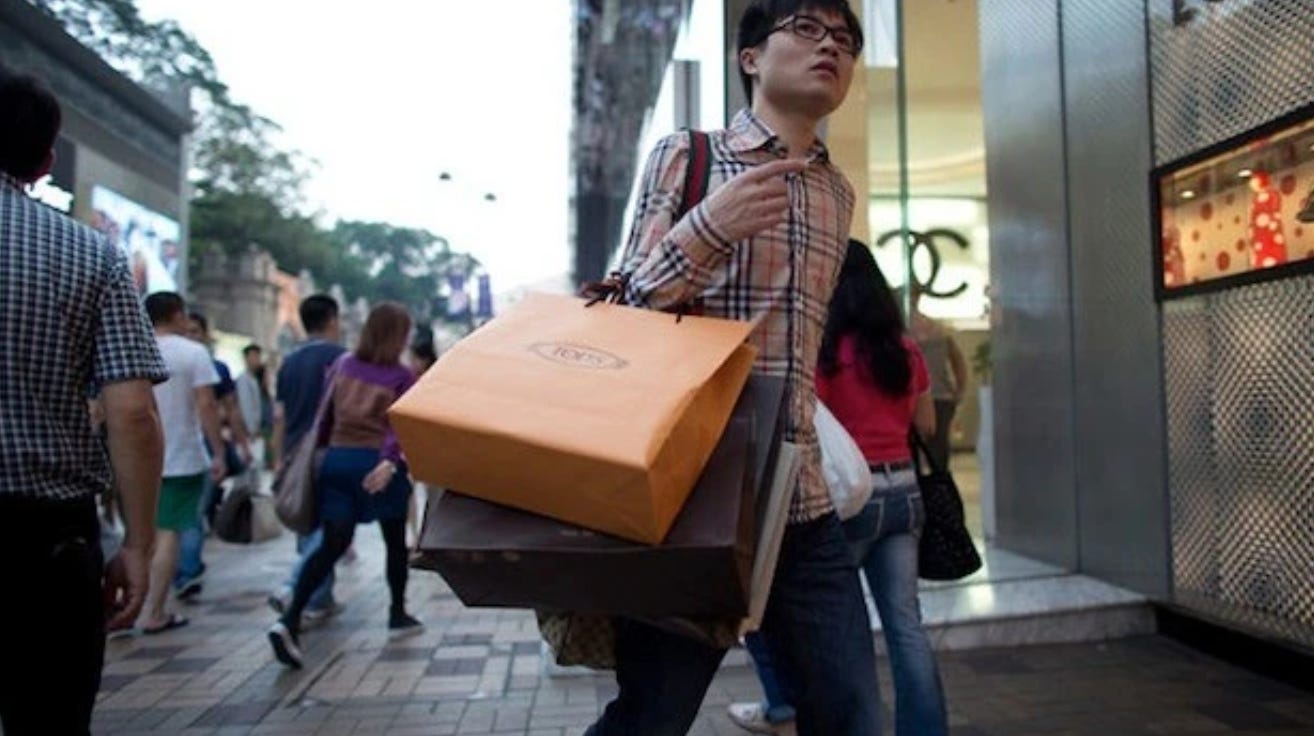
Many of these brands are now reporting a problem in China. They have been chasing a new foreign luxury consumer emerging in China, the Middle East and India. As with most developing countries, there was an early concept that wearing Western brands showed your wealth. Heavy logos, therefore, reigned supreme.
But these consumers have woken up to quality over branding. At the same time, quiet luxury became omnipresent. Suddenly, the customer who didn’t want to buy a heavily logoed product—but also didn’t want to buy anything unbranded at the same price—was not being catered to.
The press was salivating that people were not buying heavily logoed products, instead opting for quiet luxury. That is factually incorrect. Just look around any town centre on a Friday, and the place is dripping in Represent, Cole Buxton and All Saints. People just aren’t spending £500 on a luxury T-shirt that, for all intents and purposes, is the same quality as a £100 one.
By cutting out the big names and the pomp and ceremony of campaigns, these more disruptive brands focus on providing accessible luxury. It was never about quiet luxury; it was a great realignment to what people want to wear and spend their money on during economic uncertainty and inflation, not what a fickle influencer-led crowd wants to hype up.
And that’s where luxury has gone. They’ve isolated their customers. Those buying quiet luxury aren’t buying because of price gouging. Those who would buy heavily logoed products aren’t buying because of quality.
Luxury has outpriced its consumers.
This brings me nicely to pricing. Pricing became more about the shape of the market and pricing architecture than it did the underlying costs of a product.
In January, analysts at HSBC wrote that pricing, not volumes, was the main driver of sales growth between 2021 and 2023.
Prada, Louis Vuitton, and Chanel have raised their prices on core products by up to 90% since 2019. That doesn’t equal an overall improvement in quality—just better profits. It is wild to think they couldn’t see this luxury slowdown coming with such blatant price gouging.
To remain competitive and not appear cheap at the top end, brands were putting up prices just because their adjacencies were. It was a race to the top. At the same time, innovation slowed on the accessible end. Rather than elongate a price architecture to cater to all, brands kept increasing their entry-level prices season after season and pricing out their customers - a sure fire way to burn consumer loyalty.
There are, of course, luxury brands bucking the trend. Rimowa, for example, is continuing to grow despite being at the top end of the luxury market. How? They have stayed consistent and invested in quality, and they offer a lifetime guarantee. An expense is easy to justify if you know it’ll last a lifetime. It’s the only way to justify these high price points.
The gap between celebrity and reality.
I spoke of Kamala Harris earlier, and we need to learn urgent lessons from her campaign. There’s a lot about what you say you will do and what you actually do.
Kamala wheeled out every celebrity under the sun—celebrities who combined reach almost every person worldwide with internet access. You would have thought anybody who was endorsed by Taylor Swift, Beyonce, Charli XCX, and Obama would be a surefire win.
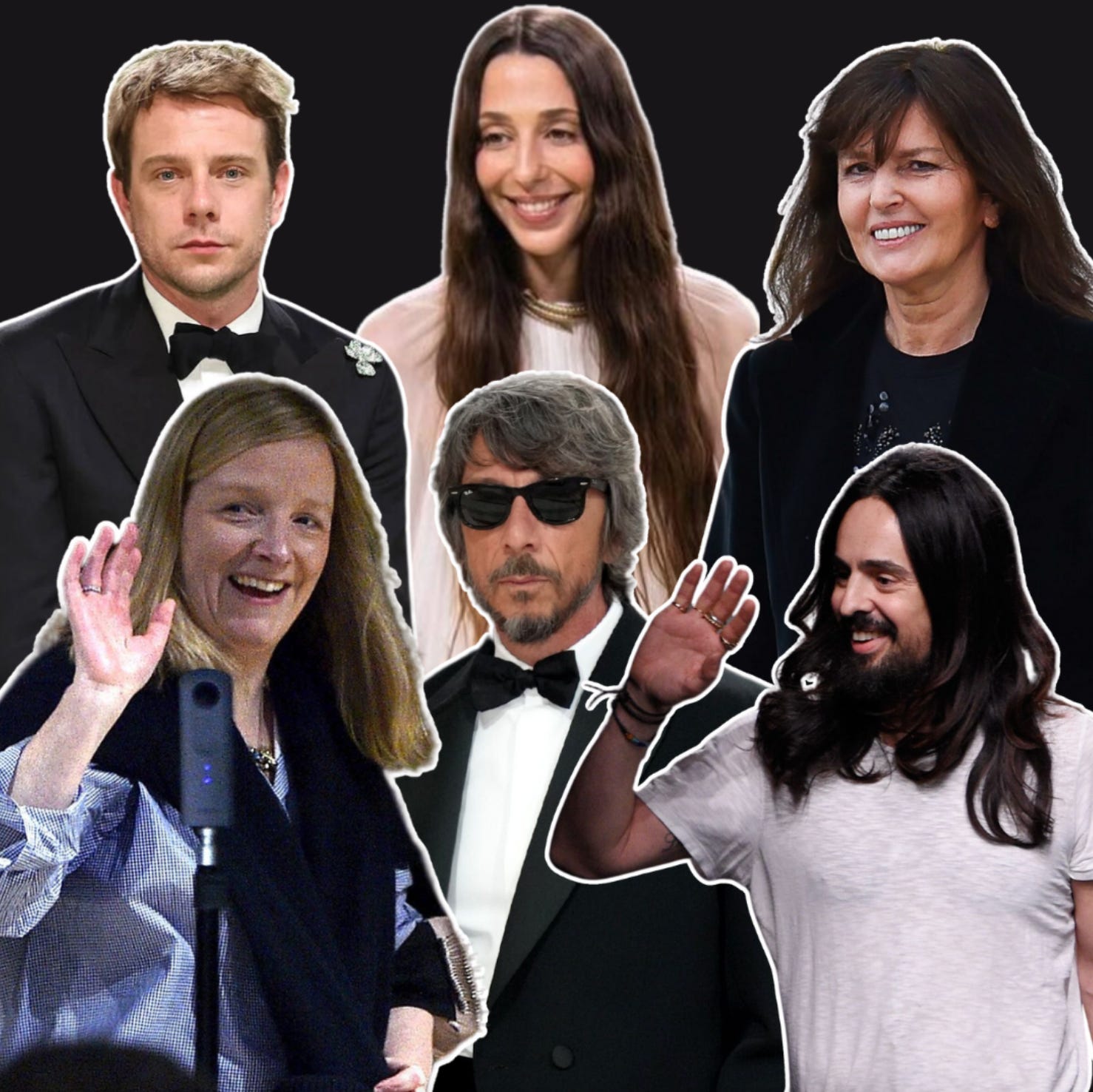
But no. Brands and vice presidents forget that whilst we enjoy the cult of celebrity, what they do and how they vote is of little importance to the average consumer or voter. Yes, there might be a relatively larger subset of the population who obsess over these celebrities, but are these the ones who are buying a £800 t-shirt? Are they even of voting age? And yet, similar to Kamala, brands such as Dior have appointed celebrities such as Rosalia to represent them. Kamala’s campaign ran flat, and so did the luxury ambassadors.
That exchange would have cost millions of dollars. To consumers, this represents more displays of wealth when we’re all feeling the pinch. In the last ten years, there has been an extraordinary wealth redistribution, leaving the majority much worse off and the 1% suddenly fabulously wealthy.
The great wealth redistribution has fallen flat, and consumers have never been more aware.
Conclusion
There is a disconnect between what the fashion editors want people to wear, what the buyers want you to buy, what the influencers are trying to plug and what people are actually wearing.
There is artistry at these luxury fashion houses, but that artistry is marred by excess—celebrities flying in from all over the world to shut down Paris for a week, and fashion shows running into the millions of pounds, all while preaching to us about climate change. These parades of wealth have become exclusionary to customers because we’re not invited - we’re just paying for them.
Your average consumer doesn’t care anymore. I can see no way back for the mass luxury consumer to these brands without a clear innovation pipeline and price resetting.
Strip away the pomp of seasonal launches, and most products haven’t changed in years. Brands are just trying to hack an algorithm rather than design innovation through sustainable materials or new design features or, perhaps the most disruptive vehicle of all, sensible pricing strategies based on the cost of raw materials, not the marketing budget.
We can learn as much from Kamala Harris’s failed presential campaign as we can from LVMH’s earnings call—you can have all the razzle-dazzle and celebrity endorsements in the world, but at the end of the day, if you don’t articulate the substance of what you have behind the noise, consumers (or voters) will not support you.
So what can brands do?
Serve your existing customers - cater to them and only them. The only way you can do that is through a dialogue, an exchange needs to take place, and a conversation needs to happen. Your customers will have all the answers - where you’ve gone right and, most importantly, where you’ve gone wrong.
Alongside a realignment, invest what you would spend on marketing and paid social into the product - from either a quality improvement or a margin buy. What do I mean by that? Spend that £5 you would normally spend on acquiring new customers on your existing customers by dropping your prices. Realign back to them. They have all the answers.